Two burners that only look alike
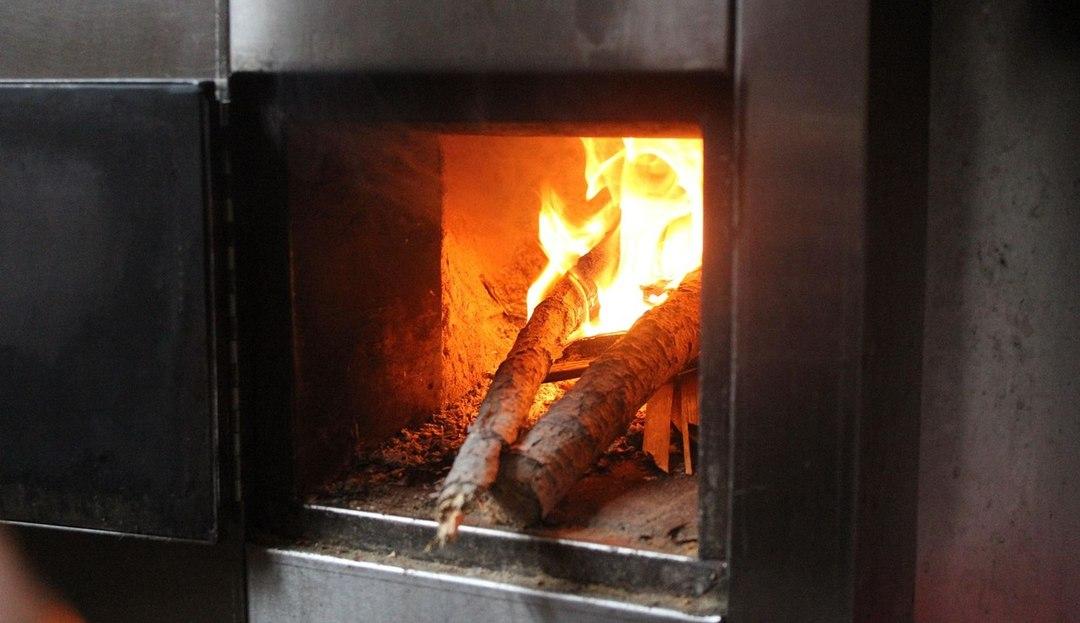
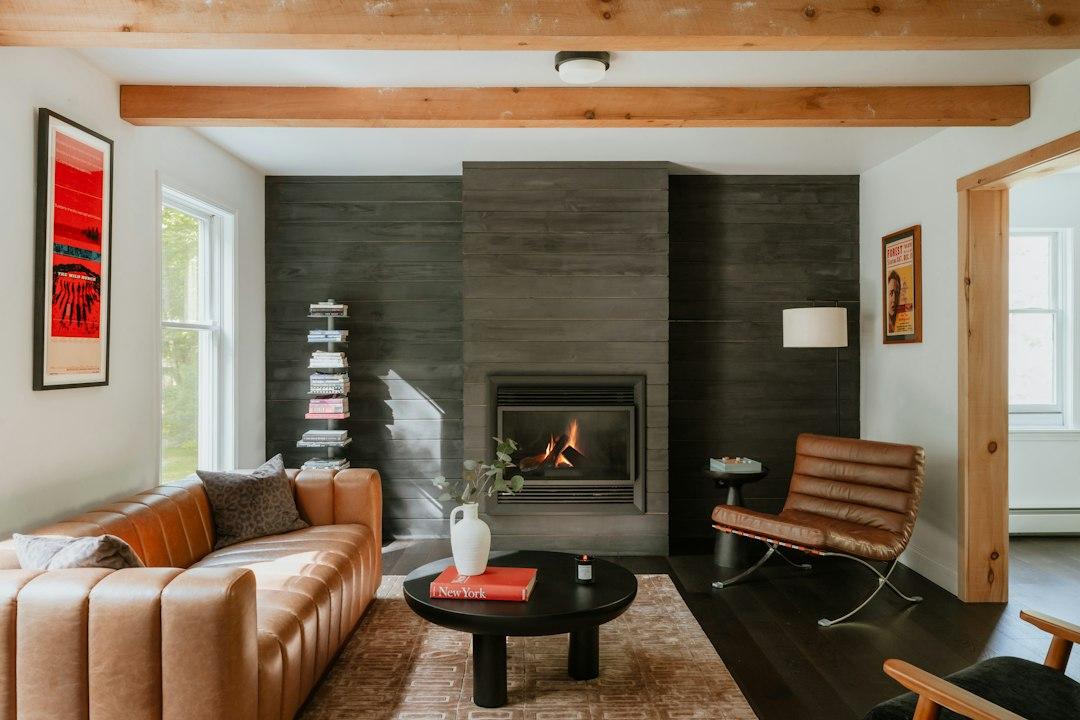
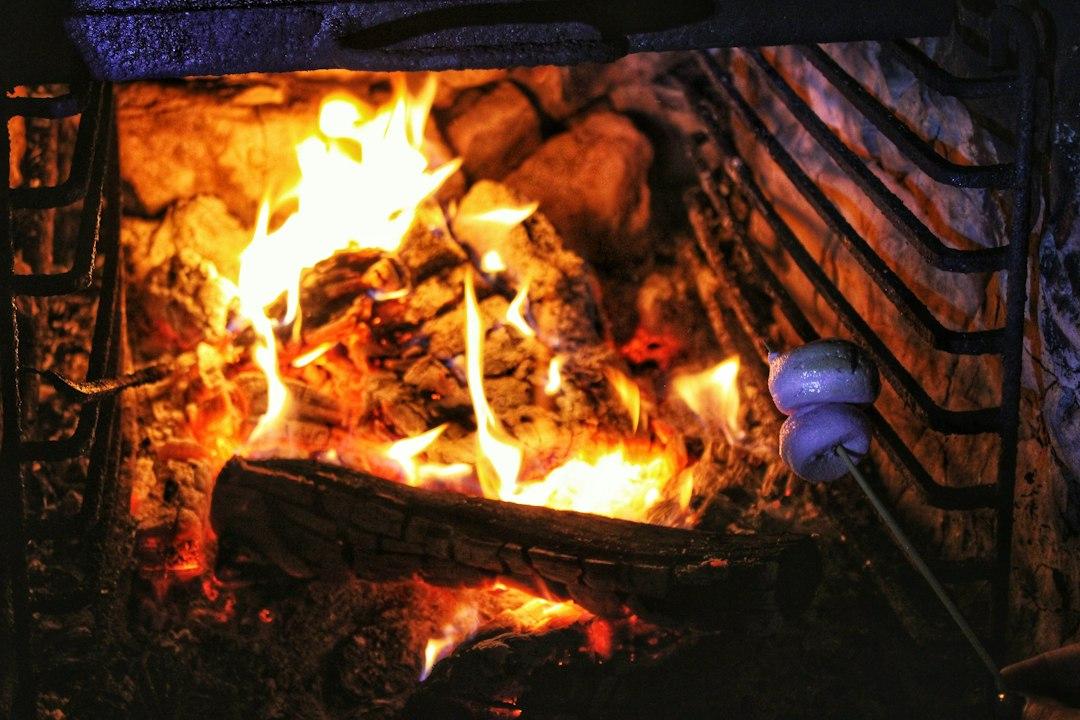
Put two ceramic log sets side by side in a showroom and they can look nearly identical. Light them and the difference shows straight away. One throws a tall, lazy yellow flame that licks over the logs the way wood does. The other burns lower and bluer, with small yellow tips, and gives off noticeably more warmth. The first is a vented set. The second is vent-free, sometimes sold as ventless or unvented. Most owners in Brea who call Aubrey Chimney Contractors about fireplace gas logs have seen both online and want to know which one to buy. The short answer is that, for an open masonry fireplace here, the choice is nearly always made for you. The longer answer explains why.
How a vented set works
A vented set is a burner pan, a bed of sand or glowing embers, a grate and a stack of refractory logs, all designed to burn in an open firebox with the chimney doing its old job. The flame is deliberately rich in fuel. That rich mix gives the tall yellow look, and it also makes more combustion byproducts, which is why every bit of exhaust must go up the flue.
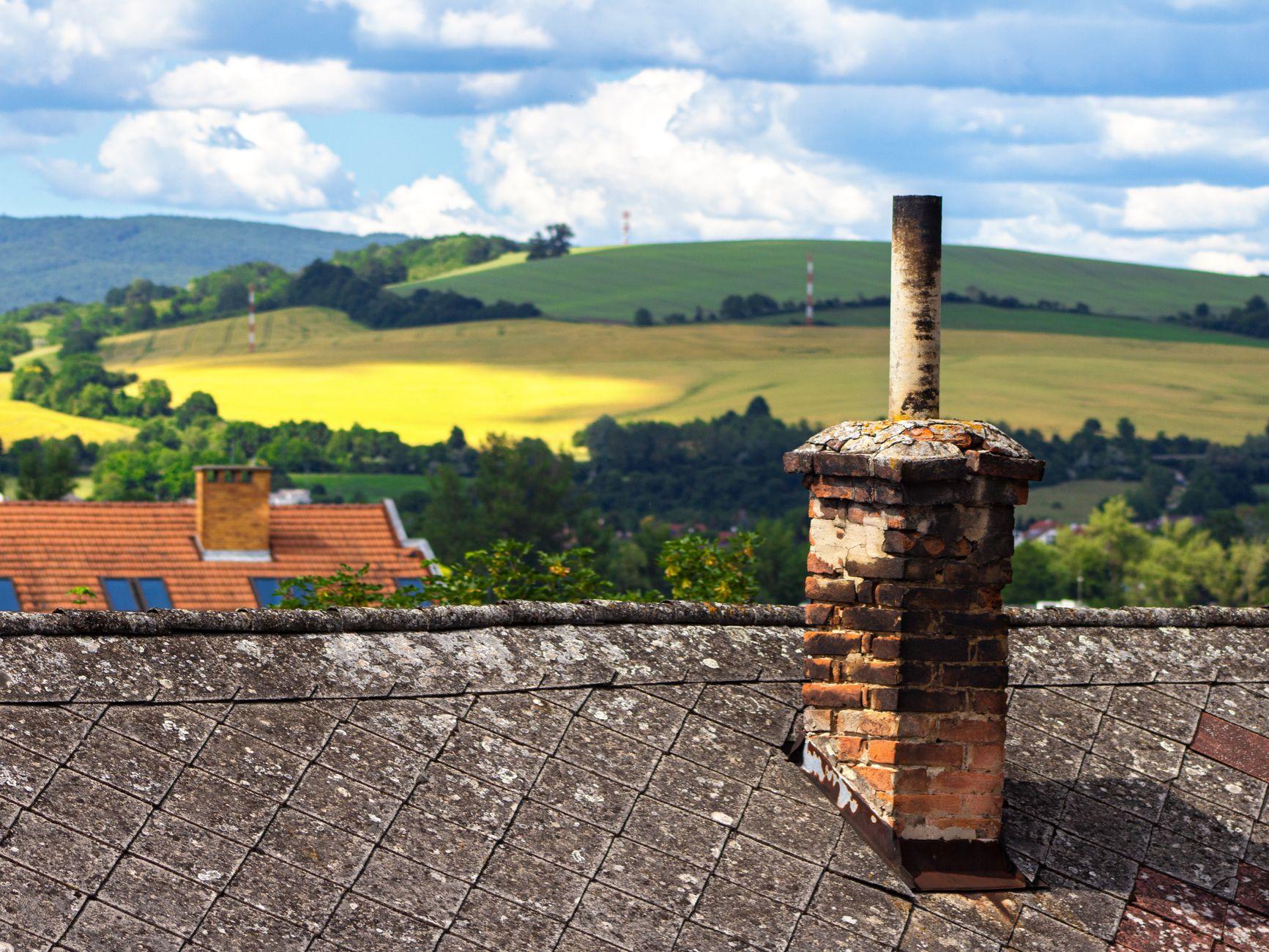
Because the exhaust has to leave, the damper can never be shut while the burner is lit. Fitters lock it partly open with a damper clamp or a stop, and the code sets how far. That gap is the trade most owners do not hear about at the showroom: the opening that lets the exhaust out also lets warm house air out, day and night, whether the logs are lit or not.
What you get from a vented set:
- The most convincing flame, and logs that stay clean when the burner is tuned
- A setup that suits almost any working masonry chimney or factory-built fireplace listed for gas logs
- Little heat to the room, since most of it climbs the flue
- A permanently open flue unless a top sealing damper is added
How a vent-free set works
A vent-free set burns its gas lean and hot, close to the way a cooktop burner does. That cleaner burn is what allows the products of combustion, mostly water vapor and carbon dioxide with a trace of other gases, to stay in the room. Almost all of the heat stays too, which is the selling point.
To make that safe, vent-free sets use an ODS pilot. ODS stands for oxygen depletion sensor, but it is not a separate gadget: the pilot is shaped so its flame lifts away from the thermocouple when the air in the room starts to run short of oxygen. The thermocouple cools, the valve closes, and the set goes out. Makers also cap the burner size against the volume of the room and limit how long the set should run in a closed space.
What you get from a vent-free set:
- Far more heat from the same gas
- A flame that looks less like wood, with smaller, bluer tongues
- Moisture and combustion smells in the room, which some people notice and some do not
- Strict rules on room size and on how the set is run
The California part of the decision
Here is where the comparison usually ends for a Brea home. Many vent-free log sets carry a label saying they are not for sale or use in California, and the state's codes restrict unvented gas heaters in homes. In practice, nearly every log set we fit in Brea, La Habra, Fullerton or Anaheim is a vented one, set into a fireplace whose flue we have checked first. If someone offers to put a vent-free set into your living room here, ask to see the label and the listing before any money changes hands.
So the real choice for most owners is not vented against vent-free. It is a vented log set against a sealed gas insert.
The question that matters more: logs or an insert?
A log set is about the look. It brings back the fire you see, with no wood to haul and no ash to clear. It does little for heat, and it leaves the flue open.
An insert is a sealed box with a glass front that slides into the firebox and vents through its own liner. The flame is still real fire behind glass, but the unit warms the room properly and the house air no longer escapes up the chimney. Inserts carry a published price on this site, $2,750 to $5,500 for the box set into your existing firebox, with a liner up the old flue. Our post comparing inserts and direct vent units goes through that side in detail.
A quick way to pick:
- Fire on a few winter evenings, mostly for the look: a vented log set
- A cold room you want to heat through the evening: an insert
- A room with no fireplace at all: a direct vent unit framed into a wall
What decides the price of a log set
Log sets do not have one published figure here, because three things swing the total. The first is the set itself: burner size, log style and ember material vary widely. The second is the gas supply. A fireplace that already has a key valve and a line to the firebox is a much smaller job than one that needs a new line run from the meter or the water heater branch, which also brings a city permit. The third is the chimney. A vented set needs a flue that is clear, sound and drawing well, and an old wood flue may need sweeping or repair before gas goes in.
Next step: use the form at the top of this page and note whether your fireplace already has a gas key beside the hearth and what it burns now. We come out, measure the firebox opening and depth, check the draft and write a price for the set and any gas line work before anything is ordered.
What happens on install day
We confirm the flue draws with a smoke test, set the damper stop, place the burner and the logs in the pattern the maker drew, and light it with you. Then we check for leaks at every fitting, watch the flame settle and show you the pilot and the valve. You leave with the manual and a short note of what was set and where.
Keeping it running
Gas logs need far less care than a wood fire, but not none. Logs crumble with years of heat, embers get moved around, and dust and pet hair collect in the burner ports. A yearly gas fireplace cleaning keeps the flame pattern right and catches a worn thermocouple before it strands you on a cold night in January.
If you are choosing between a log set and an insert, or have a set that no longer burns the way it used to, write to us through the contact page and say how often you light it and what you want it to do for the room.
Want a Technician to Take a Look?
An article can point at the likely part; a meter on the pilot circuit confirms it. Aubrey tests, prices in writing and fixes. We work from Brea across La Habra, Fullerton and Anaheim.