A small machine behind the grille
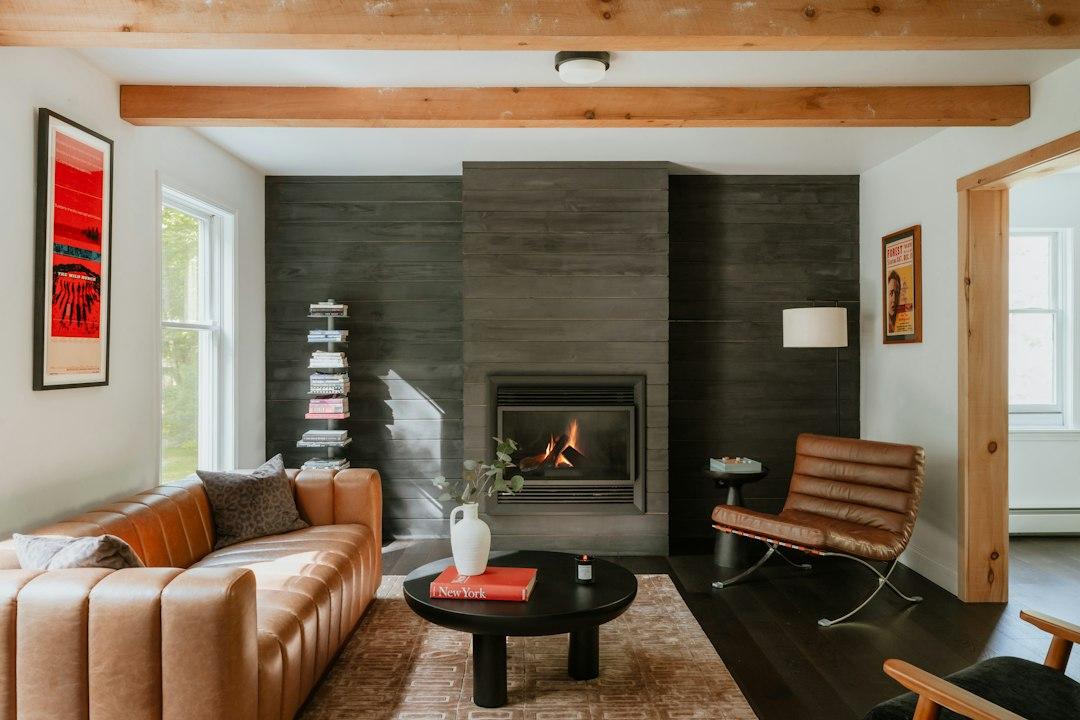
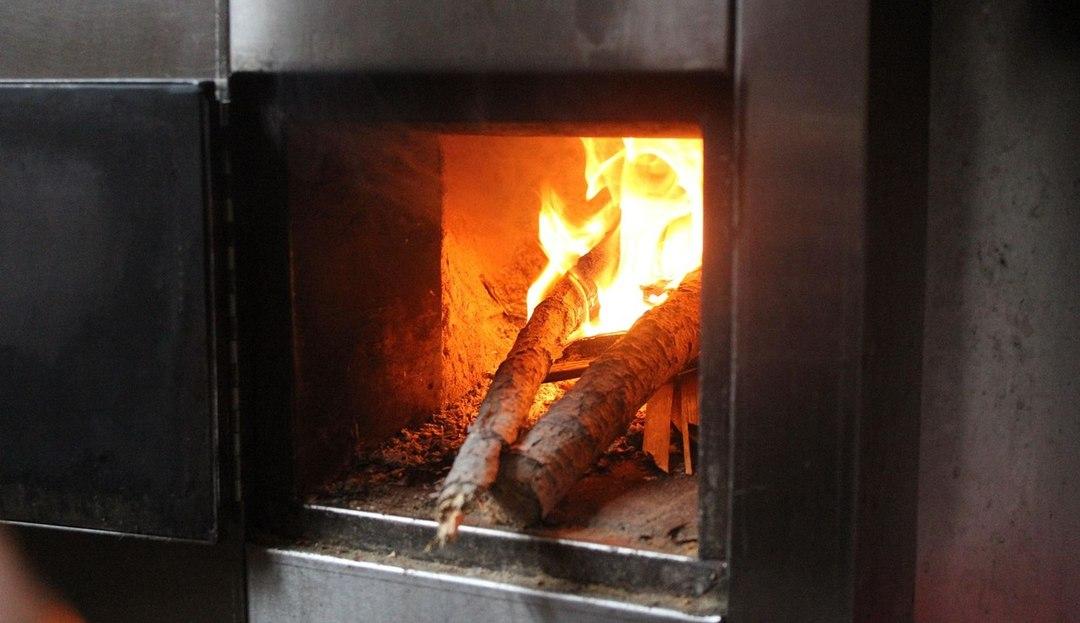
From the sofa a gas fireplace is a flame behind glass. Behind the lower grille it is a small machine: a pilot burner, a thermocouple or thermopile sitting in that pilot, a valve that meters the gas, a main burner under the logs and, on newer units, a control module, a battery pack and a remote receiver. Any one of them can stop the fire, and each one costs a different amount to put right. So Aubrey Chimney Contractors, working out of Brea, does not price a gas fireplace repair over the phone. The bill follows the part, and the part is found at the hearth.
What we can say before the visit is how the bill is built, which nearby jobs carry a published figure, and why two fireplaces that look alike can land far apart.
The usual suspects, in plain words
- Thermocouple. A thin copper probe held in the pilot flame. Heat makes a tiny voltage, and that voltage tells the valve the pilot is lit. When the tip wears, the valve shuts the gas even though the pilot looks healthy.
- Thermopile. A bundle of thermocouples that makes enough voltage to run the valve and a wall switch. A weak one gives a unit that lights from the knob but ignores the switch or the remote.
- Pilot assembly. Hood, orifice and bracket. Spider webs, lint and corrosion shrink the flame until it no longer wraps the probes.
- Gas valve. The block the knob turns. Valves fail less often than owners expect, but when one goes it is the dearest single part in most units.
- Ignition module and batteries. Units with intermittent pilot or electronic ignition use a spark and a board. A tired battery pack can look exactly like a dead board, so we test both before naming either.
- Glass, gasket and latches. Sealed fireboxes rely on their glass to keep exhaust contained. Cracks or a crushed gasket count as safety work, never just looks.
Four things that decide the figure
Which part failed. Cleaning and resetting a lazy pilot costs least. A thermocouple is a small part. A valve or a control board is a large one.
Make and age. The big makers keep parts in stock for years. A builder line that was dropped long ago may need a universal part, and some listings do not allow one. When that is the case we write it down and explain what a replacement unit would involve instead of forcing a part that does not belong.
Reach. Some fireplaces let the log set and burner tray lift out in minutes. Others hide the valve under a fixed floor panel or behind a mantel facing, and the labor grows with every panel.
Venting. A pilot that blows out every time the Santa Ana wind picks up can be a vent termination problem, not a control fault. Then the repair moves outside, to the cap or the wall terminal, and the price moves with it.
The part, the labor and any outside work go onto a written quote before anything is ordered. If the part is already on the van, we say so and you decide on the spot.
Related work with a published price
Some of the jobs that sit next to a repair do carry a fixed figure on this site:
- Level 1 visual check of the hearth, vent and controls: $160
- Level 2, with a camera through the vent or flue: $385
- Masonry flue sweep, for a fireplace that also burns wood: from $410
- A sealed gas heater set into a brick firebox you already have: $2,750 to $5,500
- A vented gas fireplace framed into a room that never had one: $4,400 to $8,800
A repair visit is not an inspection, but the two often meet. Soot on the glass, a smell in the room or a flame that turns lazy and orange can all point at the vent rather than the burner, and a Level 1 at $160 is often the cheapest way to find out which.
Next step: use the form at the top of this page and write down what the flame does, or fails to do, when you turn it on. If you can reach the rating plate, copy the model number into the message. The plate usually hangs on a short chain or sits clipped behind the lower grille, and with that number we can often check part stock before we drive over.
Repair or replace?
On a unit past twenty years the question comes up. A short way to frame it:
- Firebox, burner and glass sound, and one control part at fault: repair nearly always wins.
- Burner rusted through, firebox panels cracked, or valve and board both gone: put the repair beside the cost of a new unit before deciding.
- Maker no longer supplies the valve or board, and the listing forbids generic parts: a new unit is the only honest answer.
Figures for the new unit side of that comparison sit in our post on gas inserts and direct vent units.
What an owner can look at first
Three things are fine for an owner to look at before calling. Is gas reaching the house, meaning the cooktop and water heater still light? Have the remote and wall receiver had new batteries lately? Is the glass seated and latched? If all three are fine and the fireplace still will not run, everything past the access grille belongs to a technician: the valve, the pilot, the gas connections and the vent.
A rotten egg smell near the hearth changes the order of things. Nobody touches the switch, the household goes outside, and the utility is called from the sidewalk before we are.
Gas hearths around Brea
Across Brea, La Habra and Fullerton, many houses built from the 1980s onward came with a factory-built fireplace and a metal flue, and plenty of older brick fireplaces have since had a log set or an insert fitted. Both kinds reach us with the same handful of faults, and the gas fireplace repair page lists what a visit covers. Units that run well but look dull usually need a gas fireplace cleaning rather than a part.
When the flame quits, a short note through our contact page describing what it does is enough for us to plan the visit and bring the likely parts.
Want a Technician to Take a Look?
An article can point at the likely part; a meter on the pilot circuit confirms it. Aubrey tests, prices in writing and fixes. We work from Brea across La Habra, Fullerton and Anaheim.