Same flame, different plumbing
Owners in Brea usually reach this question from one of two starting points. Some have a brick fireplace that eats wood, leaks cold air and warms nobody past the hearth rug. Others have no fireplace at all and want one in a family room or a primary bedroom. Both end up looking at sealed gas units with a glass front, and both find two names: the gas insert and the direct vent fireplace. Inside, the burners, valves and glass are close cousins. What separates them is where they live and how they breathe, and that is what moves the price.
How each one breathes
Both are sealed. Room air never feeds the flame and exhaust never spills into the room, which is the whole point of the glass front.
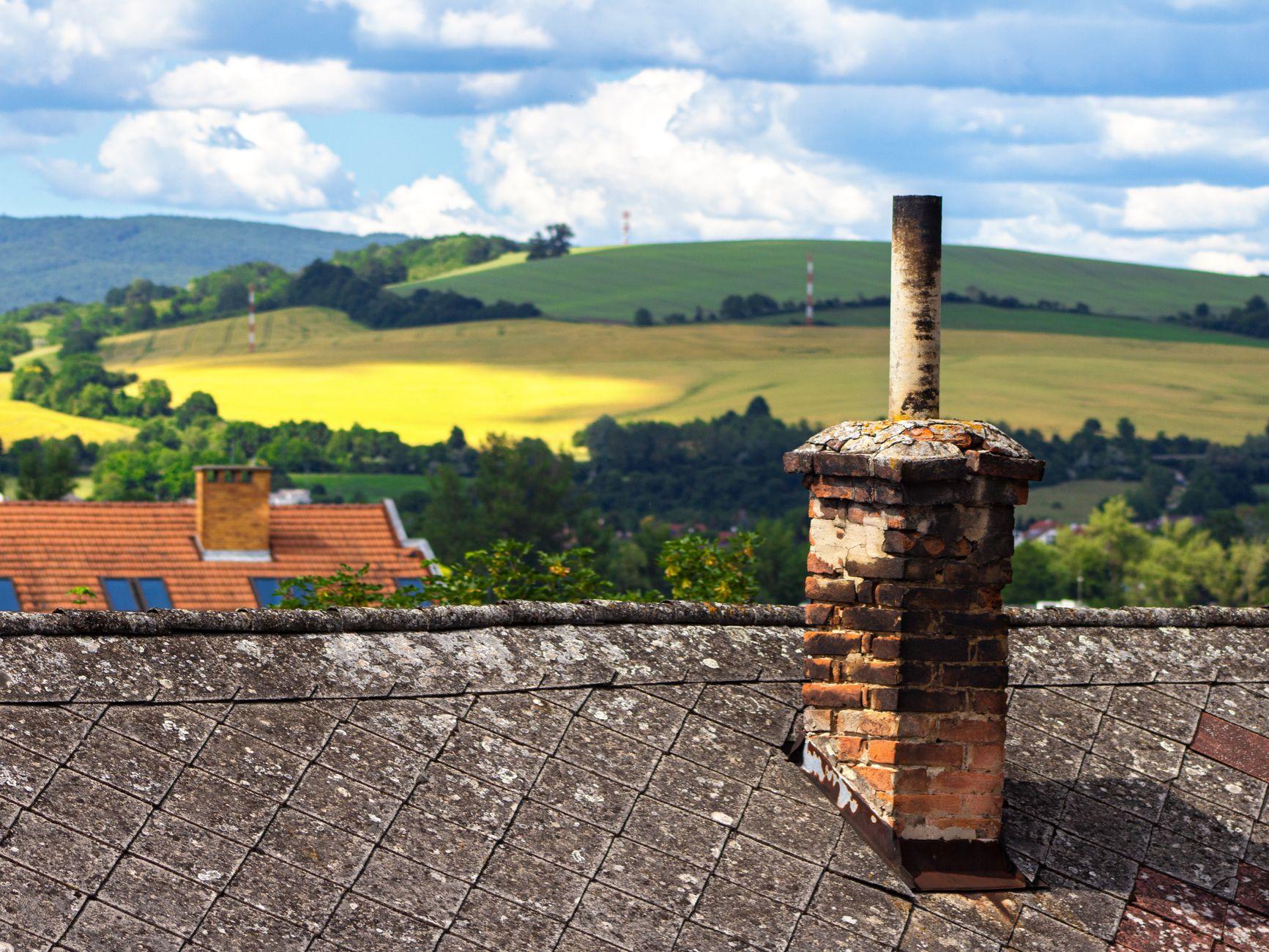
An insert is built to slide into an existing masonry firebox or a factory fireplace that is listed to take one. It breathes through the chimney you already have. Two flexible aluminum liners, or one liner with a second one inside it, run from the top of the unit to the top of the old flue. One carries exhaust up; the other brings outside air down to the burner. A termination cap at the top keeps the two apart. The old firebox becomes a shell, and a trim surround covers the gap between the box and the brick.
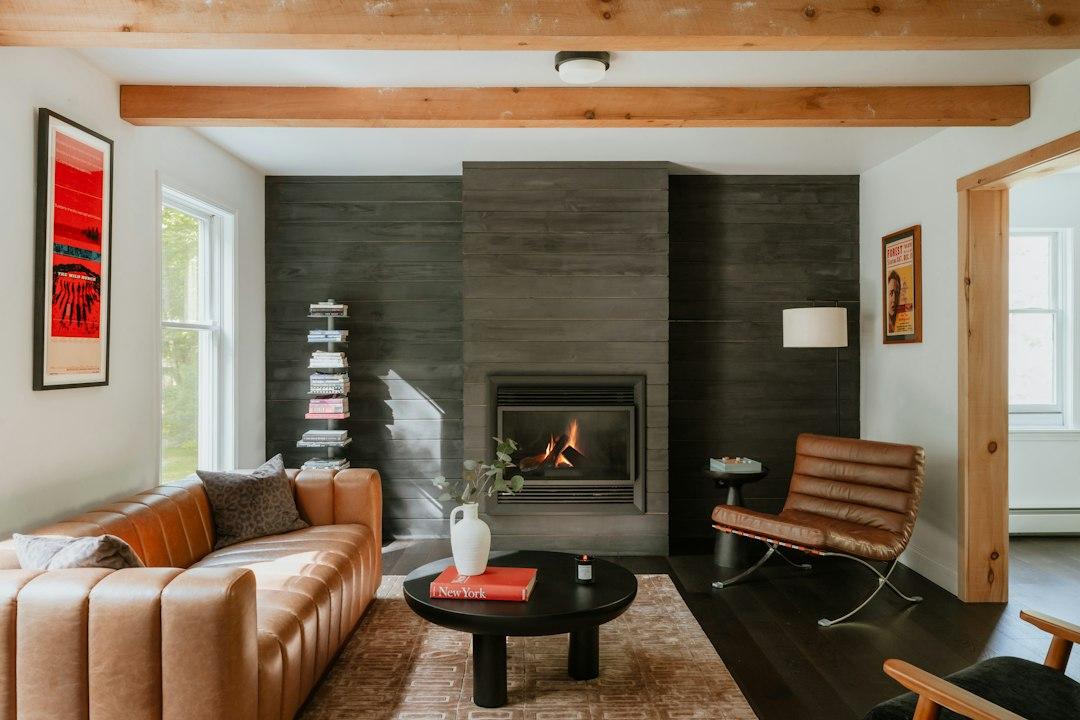
A direct vent fireplace is a complete firebox of its own, framed into a wall or a corner. It breathes through a pipe within a pipe: exhaust leaves through the center, and air for the burner comes in through the ring around it. That pipe can leave straight out the back through an outside wall, or rise and turn before it ends at a cap on the roof or a terminal on the siding.
Side by side
What it needs to start with
- Insert: a sound firebox and a chimney the liners can pass through
- Direct vent: a wall with an outside face within reach, or a route to the roof
What changes in the room
- Insert: the brick face stays, the opening gets a metal surround
- Direct vent: new framing, new wall finish, often a new mantel and hearth pad
Heat
- Both put real warmth into the room. Inserts often carry a blower, and many direct vent units offer one too.
Price on this site
- Insert, with its liners and cap, set into your brick fireplace: $2,750 to $5,500
- Direct vent unit framed in where no fireplace stood: $4,400 to $8,800
The direct vent range starts higher because it buys the whole hearth, not just the burner: framing, the wall finish, the vent run through the house and often a gas line from scratch.
What moves an insert within its range
- Chimney height. The liners run the full height of the flue, so a two story chimney costs more than a single story one.
- Firebox size and shape. A shallow or oddly shaped opening limits which units fit and may call for a custom surround.
- The old damper and smoke shelf. Liners need a clear path, and some older fireboxes need work at the throat before the liners will pass.
- Gas to the hearth. A key valve already in place keeps things simple. No gas at the firebox means a new line.
- Unit features. Blower, remote, a larger glass face and decorative fronts all step the price up.
What moves a direct vent unit within its range
- Where it goes. An outside wall with nothing in the way is the simple case. An inside wall means a longer vent run and more framing.
- The vent path. Every elbow and every foot of pipe counts. Terminal location is also governed by clearances to windows, doors and walkways, so the shortest path is not always allowed.
- Gas and power. A line from the meter or an existing branch, plus a nearby outlet for the blower or the ignition.
- Finish. Plain drywall and a simple shelf, or stone, tile and a full mantel.
The permit side
A new gas appliance, and any new gas line, normally needs a permit from the city building department, whether you live in Brea, Fullerton, La Habra or Anaheim. The inspector looks at the gas connection, the vent clearances and the termination. We say on the written quote whether a permit applies and who pulls it, and the job is not finished until the inspector signs it off.
Air rules are simpler for gas. The South Coast AQMD no-burn days under Rule 445 are aimed at wood and other solid fuel, so a gas unit can still be used when the district calls one. That alone settles the question for some owners who are tired of losing winter evenings to the alert.
Next step: use the form at the top of this page and say which case you are in: an existing brick fireplace you want to convert, or a room with no fireplace. Add the number of stories and whether there is gas near that wall. We visit, measure, check the chimney or the wall, and write a price inside the range that fits your house.
Which one fits
A short guide we use in conversation:
- Sound brick fireplace, drafty room, want heat: an insert, nearly every time.
- Brick fireplace with a cracked flue or a damaged firebox: price the masonry repair first, then compare an insert with a direct vent unit elsewhere in the room.
- No fireplace, an outside wall free: direct vent.
- Mostly about the look, a few fires a year: a vented log set may be enough and costs less than either.
Our fireplace inserts page covers the insert visit in more depth. Once a unit is in, yearly gas fireplace cleaning keeps the glass clear and the pilot steady.
Whichever side you lean toward, our contact page is where to start: say what you have now and what you want the room to feel like on a cold evening.
Want a Technician to Take a Look?
An article can point at the likely part; a meter on the pilot circuit confirms it. Aubrey tests, prices in writing and fixes. We work from Brea across La Habra, Fullerton and Anaheim.