Rust is the first clue
Owners rarely call us about a leak over a gas fireplace. They call because the pilot will not stay lit, or because orange flakes keep turning up on the ceramic logs, or because the burner pan has a crust on it. Open the unit and the story is often the same: water has been getting in from above, a little at a time, for a winter or two. Gas fireplaces hate water. Their thermocouples, valves and burner ports are small, and rust finds them first. At Aubrey Chimney Contractors in Brea, we treat a corroded gas unit as a roof question until proved otherwise, because replacing the pilot without stopping the water only buys one season.
Where the water comes in on a gas hearth
Most gas fireplaces in north Orange County vent one of two ways, and each has its own weak points.
A factory-built unit in a framed chase. Many homes from the 1980s onward have a metal fireplace inside a boxed-out chimney that matches the house walls. The top of that box is covered by a sheet metal lid, the chase cover, with a collar for the vent pipe and a cap above. Covers on older homes are often thin galvanized steel. Given time they corrode, dip at the centre and pool rainwater, which then finds pinholes or runs down beside the collar. From there the water falls straight onto the fireplace below. Sprinklers that hit the chase every evening make it worse.
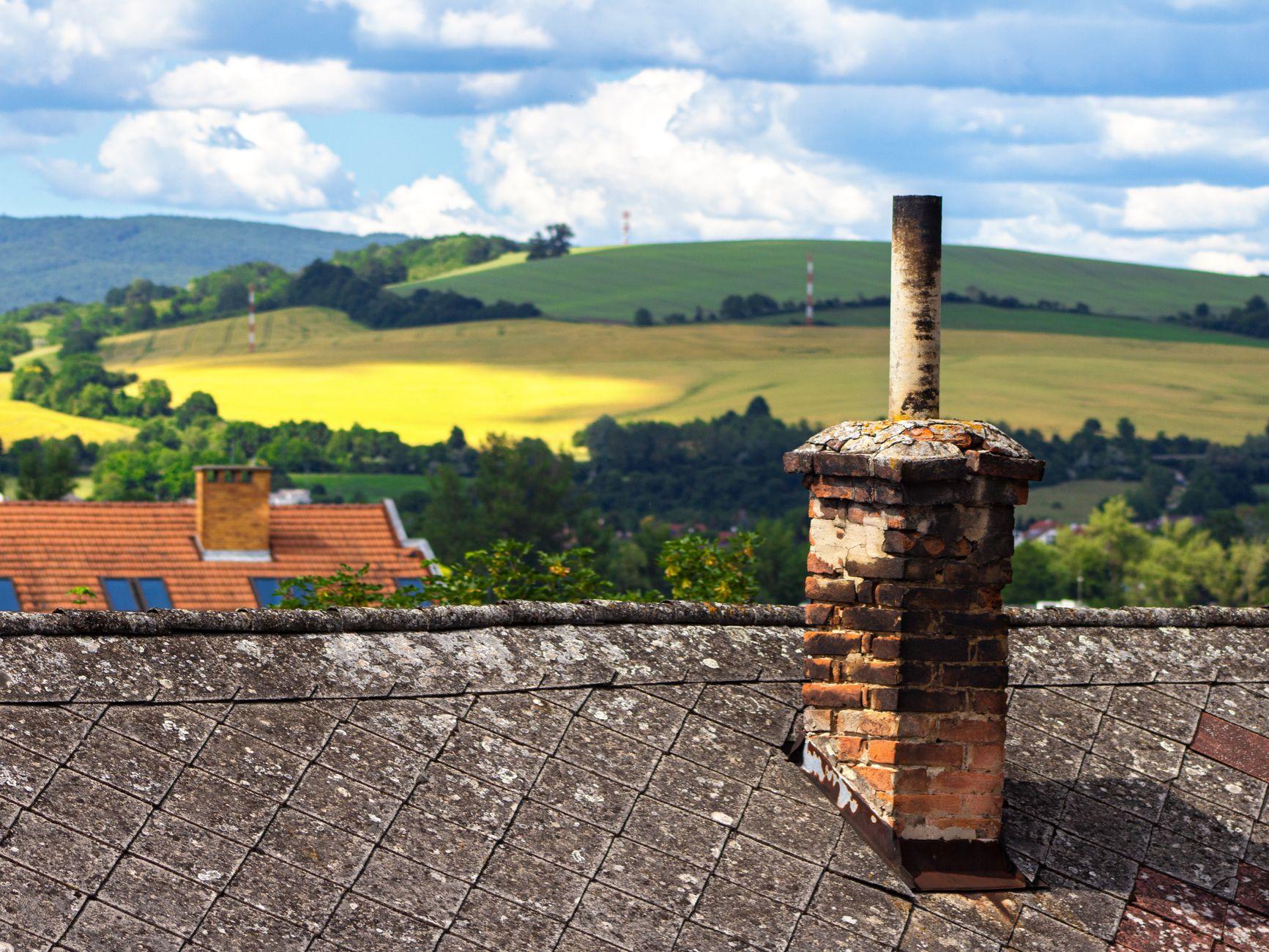
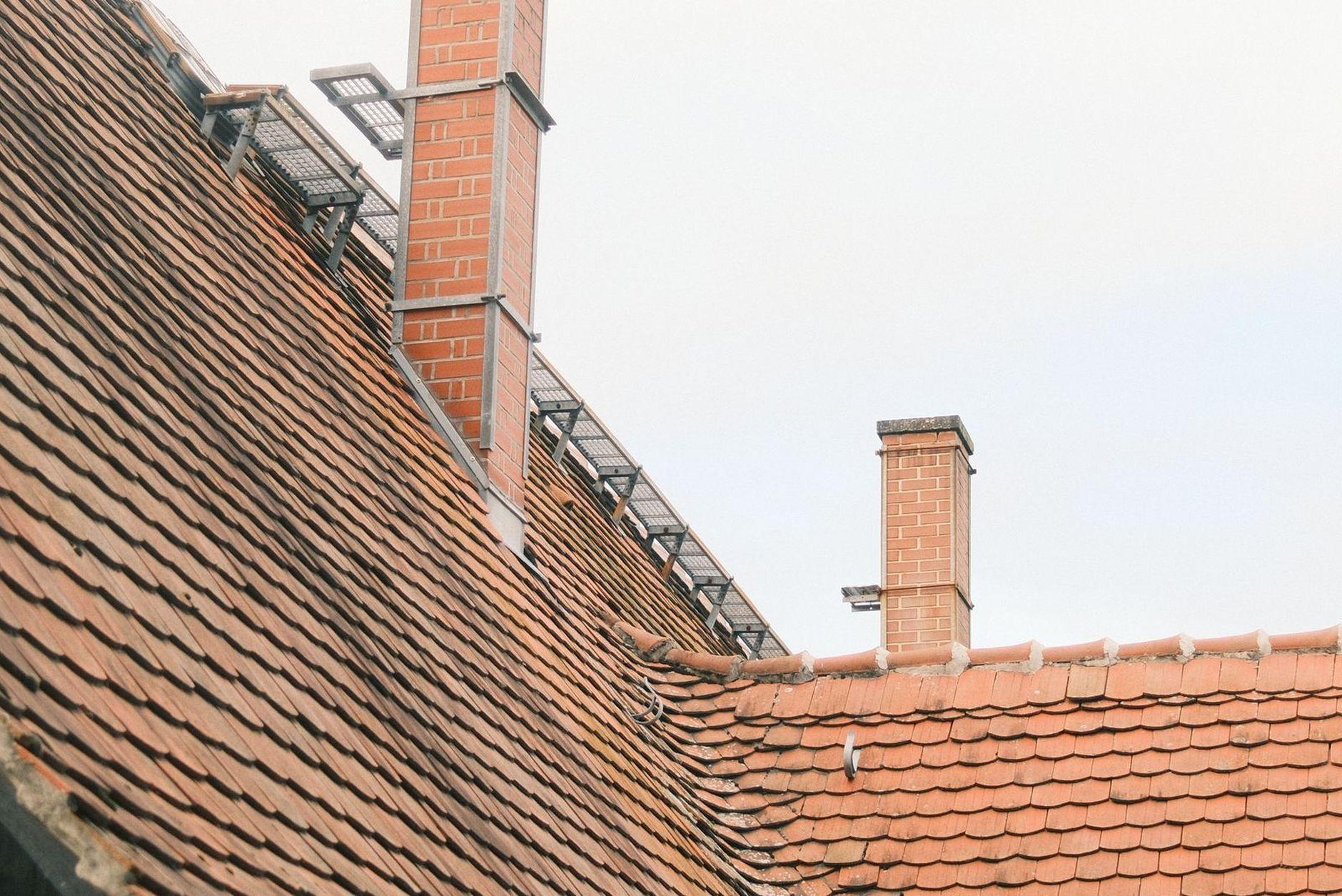
A gas insert or log set in a brick chimney. Here the leaks come from the masonry and the roof line: a crown with open cracks, worn joints in the brick above the roof, flashing that has lifted, or a cap that has blown off or never existed. On an insert, water that gets past the crown runs down the outside of the liners and lands on top of the unit.
What water does to the parts
- Thermocouple and pilot. Corrosion at the pilot hood bends the flame away from the probe, so the valve shuts down.
- Valve and controls. Moisture in the control compartment rusts connectors and can ruin a valve or a board.
- Burner and ports. Rust scale blocks the small holes, so the flame turns uneven and lazy.
- Firebox panels. Ceramic panels soak up water and crumble; metal fireboxes rust through at the floor.
- Vent pipe. Water inside the outer pipe of a direct vent system corrodes the joints from the inside.
When we open a unit with these signs, the written findings list both sides of the job: the parts inside and the source above.
What the fixes cost
Several of the repairs that stop water have a published figure on this site:
- Finding and stopping a chimney leak, from a single source to several at once: $550 to $3,300
- A cricket, the small framed ridge that splits rain around the uphill side of a wide chimney: $440 to $990
- A cricket built together with new step and counter flashing: $660 to $1,650
A new cap is quoted after we measure. A small top for one flue and a cover over several are different jobs.
A replacement chase cover has no set figure, because each one is made to the measured size of the chase and the position of its vent pipe. We price it once we have measured, in writing, before anything is ordered. Parts inside the gas unit are priced the same way, by the part named on the rating plate. A cover made from stainless steel with a raised center sheds water and lasts far longer than the galvanized lid many builders used.
Next step: use the form at the top of this page and note what you have noticed: rust on the logs, a pilot that will not hold, a damp patch near the fireplace, or water after storms only. Add whether the chimney is brick or a boxed chase that matches the siding. We come out, check the top from the roof and the unit from inside, and write the price for both.
Why we fix the top before the unit
The order matters. If we replace a corroded thermocouple first and leave the chase cover as it is, the new part starts rusting with the next storm. So the written quote usually puts the water repair first and the unit repair second, with a note on whether the unit can safely run in the meantime. Where the gas parts are already beyond saving, or the firebox has rusted through, we say so and include a replacement in the comparison.
When a leak calls for more than a cover
A few cases go past a cap or a cover:
- Rotted framing in the chase. Long term leaks soften the plywood deck under the cover and the studs around it. The deck has to be rebuilt before a new cover goes on.
- A damaged vent pipe. Rust inside the pipe, or a joint that has pulled apart, means sections of vent need replacing with parts listed for that unit.
- Brick that absorbs water. On a masonry chimney with sound joints, a waterproofing treatment can be the last step after repairs.
Our chase cover and leak repair pages cover each visit in more depth.
Timing around Brea's weather
Brea gets most of its rain between late fall and early spring, often in a few heavy storms. Leaks that stay hidden through a dry summer show up in the first real rain, and the rust they leave keeps working well after the ground dries. The calm months are the easy time to have the top of the chimney looked at, before the first storm finds the hole.
If rust is turning up in your gas fireplace, or the wall around it looks damp after rain, reach us through the contact page and we will plan a visit that looks at the top and the unit together.
Want a Technician to Take a Look?
An article can point at the likely part; a meter on the pilot circuit confirms it. Aubrey tests, prices in writing and fixes. We work from Brea across La Habra, Fullerton and Anaheim.